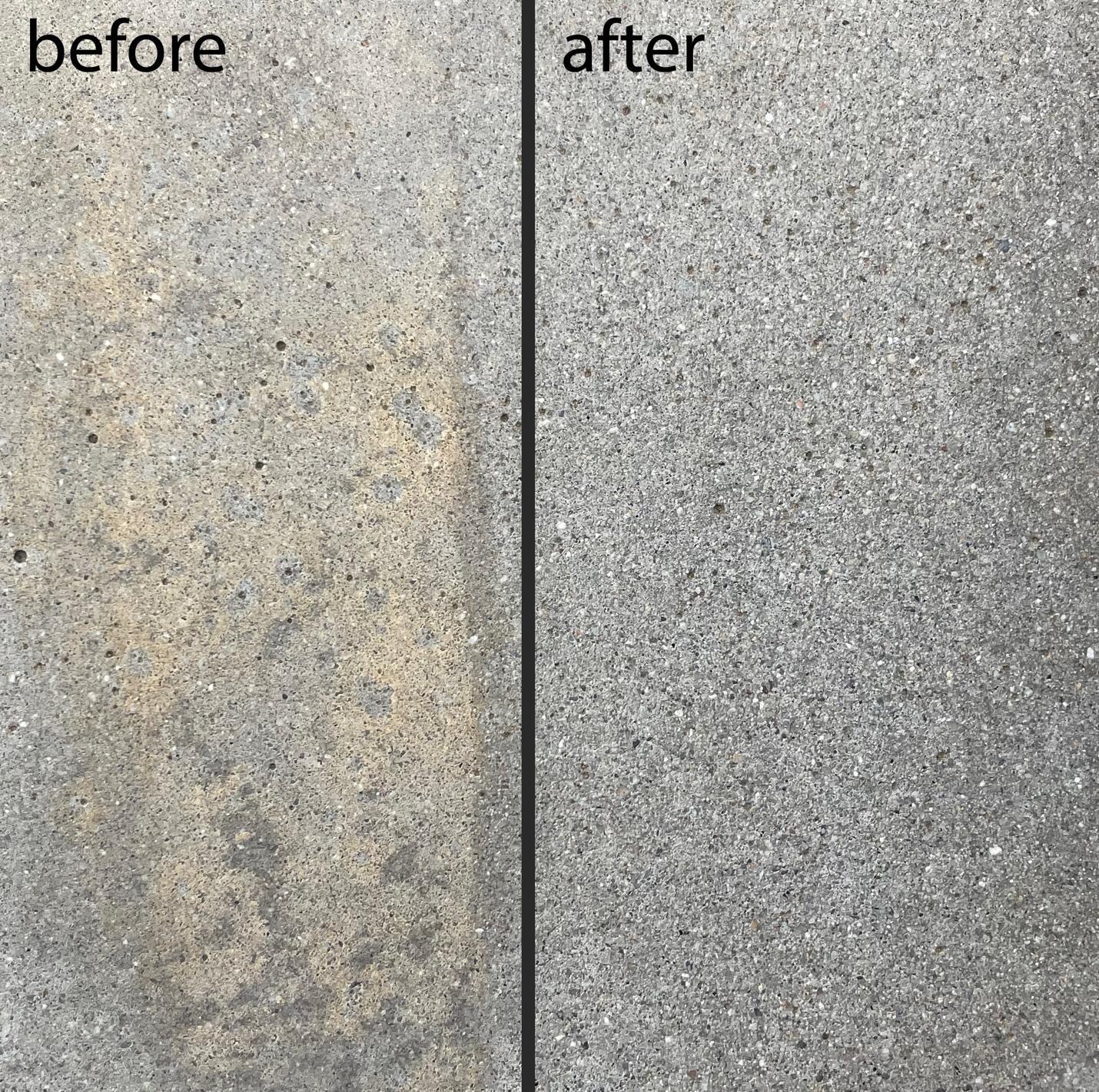

Efflorescence is a common occurrence in concrete and masonry structures, a phenomenon that has been observed since the early days of concrete use. As old as concrete itself, efflorescence is the deposit of white, powdery residue on the surface of concrete, often mistaken for a defect but is, in fact, a natural result of the materials and processes involved in construction.
A Brief History of Concrete
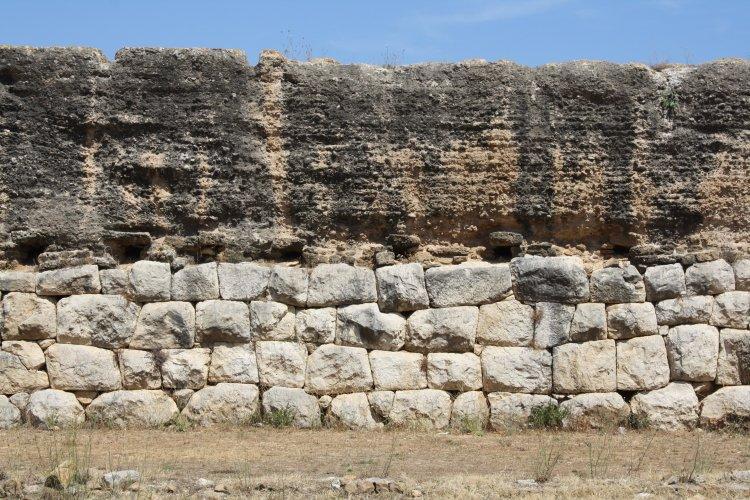
Concrete has been used as a building material for thousands of years. The ancient Romans were among the first to harness the strength and versatility of concrete, using it to construct enduring structures such as the Pantheon and the Colosseum. The basic components of concrete—cement, water, and aggregates—have remained largely unchanged over the centuries, though modern advancements have improved its durability and performance.
What is Efflorescence?
Efflorescence is the crystalline deposit of salts that can form when water evaporates from the surface of concrete or masonry. When water moves through concrete, it dissolves salts present in the material. As the water reaches the surface and evaporates, it leaves these salts behind, creating a white or sometimes grayish deposit.
Main Causes of Efflorescence
Efflorescence is caused by natural materials and processes:
Salt: Concrete and mortar naturally contain salts. When these salts dissolve in water and migrate to the surface, they can leave behind efflorescence.
Lime: Present in the cement used to make concrete, lime can leach out and form efflorescence when it reacts with carbon dioxide in the air.
Gypsum: This mineral, found in some types of cement and concrete additives, can also contribute to efflorescence under certain conditions.
Quality Control and Prevention
Efflorescence is a natural occurrence, but its appearance can be minimized through stringent quality control and preventive measures. At our company, we conduct regular ASTM tests to ensure the quality and durability of our concrete products. These tests include assessments of compressive strength, permeability, and chemical composition to monitor the factors that contribute to efflorescence.
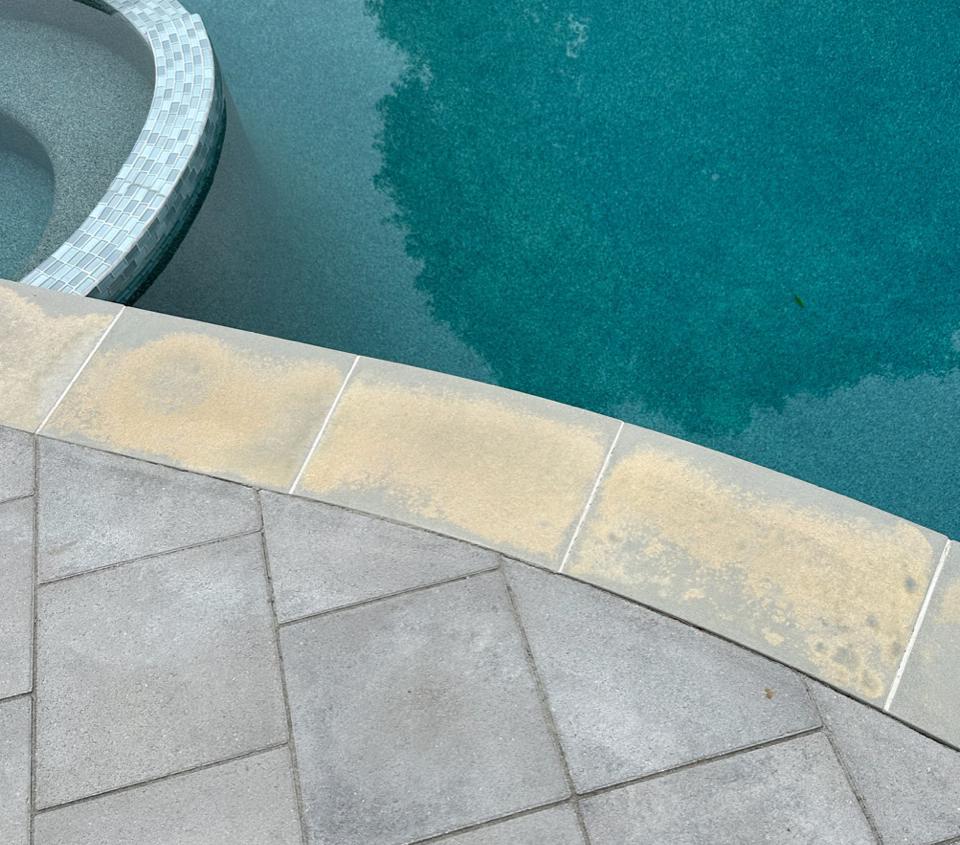
Preventive Measures
Sealing: Sealing precast concrete tiles on all sides before installation is crucial. This helps to prevent water from penetrating the concrete and dissolving salts that could migrate to the surface.
Proper Installation: Ensuring that concrete is properly separated from the soil and other sources of moisture can significantly reduce the likelihood of efflorescence.
Reapplication of Sealer: To maintain the integrity of the seal, it is advisable to reapply the sealer first after one year and subsequently every 3-5 years, depending on environmental conditions.
Dealing with Efflorescence
Despite best efforts, efflorescence can still occur. However, it is not a cause for concern as it can be effectively managed. Here’s how:
Cleaning: A solution of muriatic acid (1 part acid to 9 parts water) can be used to remove efflorescence. Apply the solution with a medium-soft brush, scrub the affected areas, and then rinse thoroughly with clean water.
Monitoring and Maintenance: Regular inspection and maintenance can help in early detection and treatment of efflorescence, keeping your concrete structures looking their best.
In conclusion, while efflorescence is a natural and inevitable phenomenon, understanding its causes and implementing preventive measures can help manage its appearance. With proper care and maintenance, the aesthetic and structural integrity of concrete installations can be preserved for many years.