





A swimming pool can elevate the elegance and sophistication of your backyard, with its impact heavily dependent on its design and execution. For many, pools become the centerpiece of summer, offering a refreshing escape, a place for leisure, and an opportunity for exercise. In pool design, the primary distinction lies between modern and traditional styles. When deciding between a classic or contemporary look, it's essential to consider not only your personal taste but also how the design complements the surrounding environment.
Traditional Pools
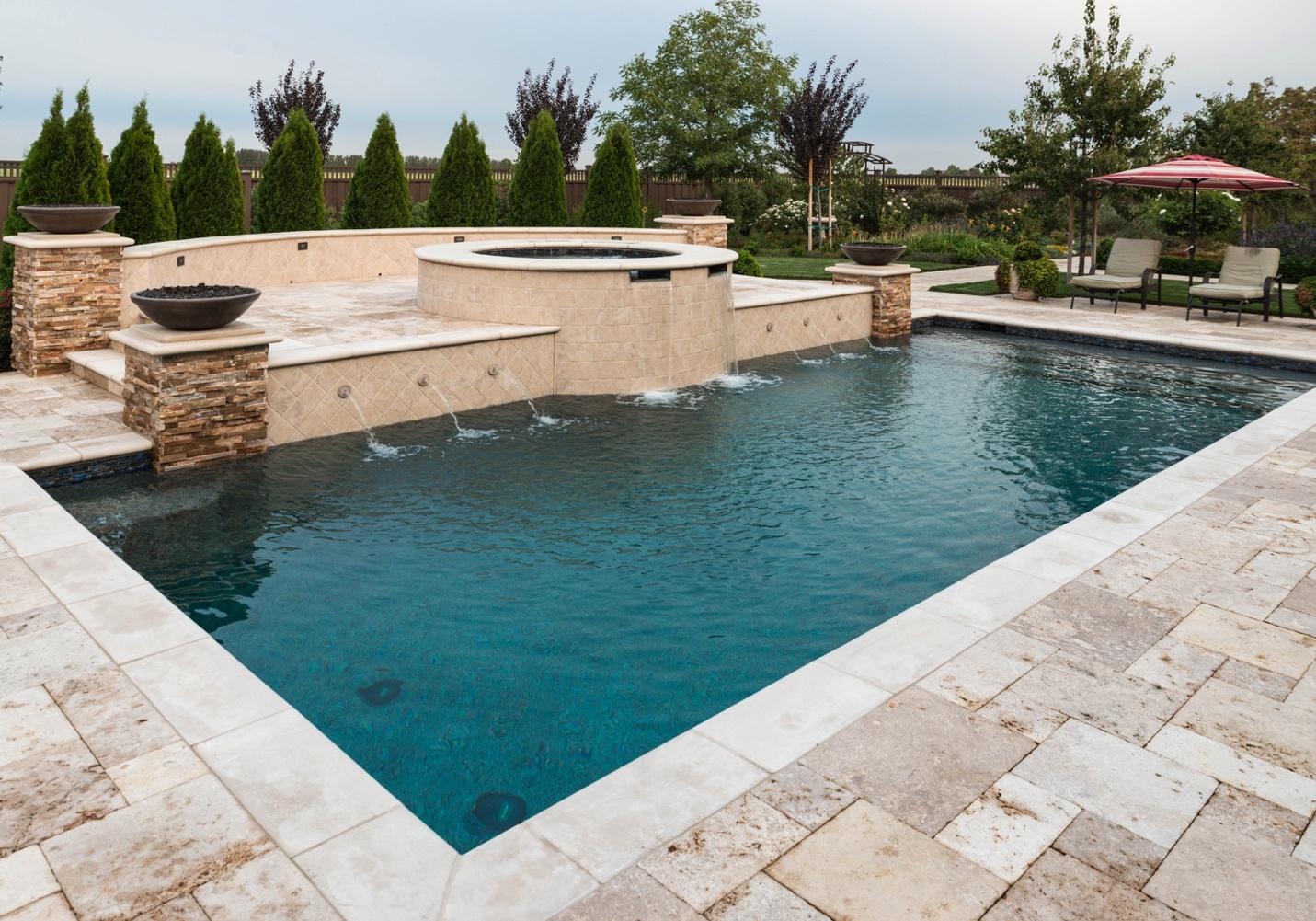
Traditional pool designs typically feature neat, symmetric lines. These pools often include standard rectangular lap pools, square or geometric pools, and old-fashioned clean-line pools. Despite the growing trend of homeowners opting for modern styles, approximately 75% of pools built today still adhere to classic designs.
The traditional in-ground rectangular pool is both aesthetically pleasing and highly practical. It's ideal for those who plan to use their pools for exercise, as the long, straight lines are perfect for swimming laps. If you have ample space in your backyard and aim to maintain fitness, a traditional pool is an excellent choice. Ensure you have at least 600 square feet of free surface area to accommodate a traditional pool.
Reflection pools, commonly found in parks, memorial sites, and gardens, also feature traditional straight lines or rectilinear shapes. For those looking to build a shallow pool without fountain jets or other equipment, a traditional design is ideal for achieving a calm surface. To suppress wave formation, these pools often have an outer basin floor that is slightly deeper than the center
Traditional pools are typically constructed from materials such as sandstone, granite, and marble. While the use of these materials in domestic architecture is relatively modern, they retain traditional values and aesthetics, making them a popular choice for classically styled swimming pools.
Modern Pools
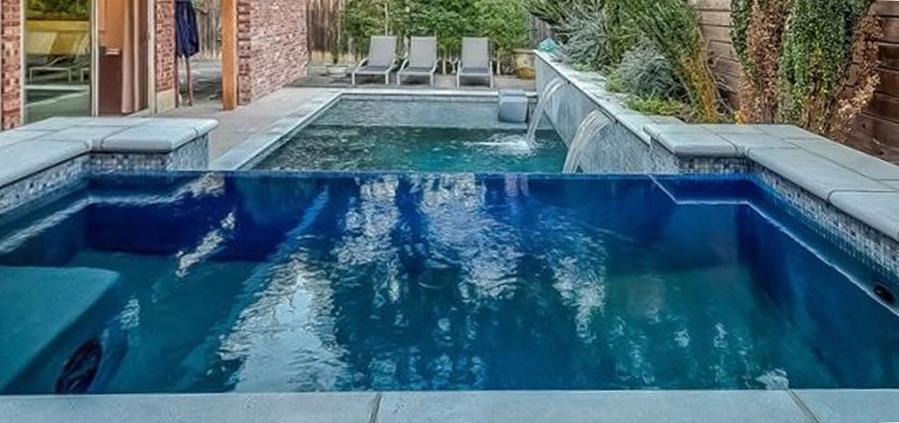
Homeowners looking to inspire and showcase their creativity can opt for modern pool designs. Unlike traditional pools, which feature clean, straight lines, contemporary pools can be of any style. They can be built to fit a small area, take up the entire yard, and even integrate into the landscape. Modern pool design is all about utilizing space while blending with every element of the surroundings.
Freeform pools are a popular type of modern pool, incorporated into irregularly shaped pieces of land. If you have a small space where a traditional pool won't fit, a freeform pool is the ideal choice. These pools generally have subtle curves and natural features, making them appear as a native part of the environment.
Another type of modern swimming pool is the natural pool. Many homeowners prefer natural pools over traditional chlorinated pools. A natural pool is an ecological design created without chemicals, using plants and other natural components. This type of pool is perfect for those who want a genuine look that depends on the style of the surrounding landscape. It's also great for those seeking a more affordable pool with minimal maintenance, as there's no need to empty and refill the pool. Depending on your natural pool type, a filtration system may or may not be necessary.
Modern pools are constructed from a wide variety of materials, with numerous sub-categories defining them. Generally, metallic materials are more commonly used in modern pools than in traditional ones. Aluminum, chrome, and zinc often feature in contemporary designs. However, many designers still prefer traditional materials with a modern twist; for example, granite with sparkling quartz crystals has become popular in the last decade.